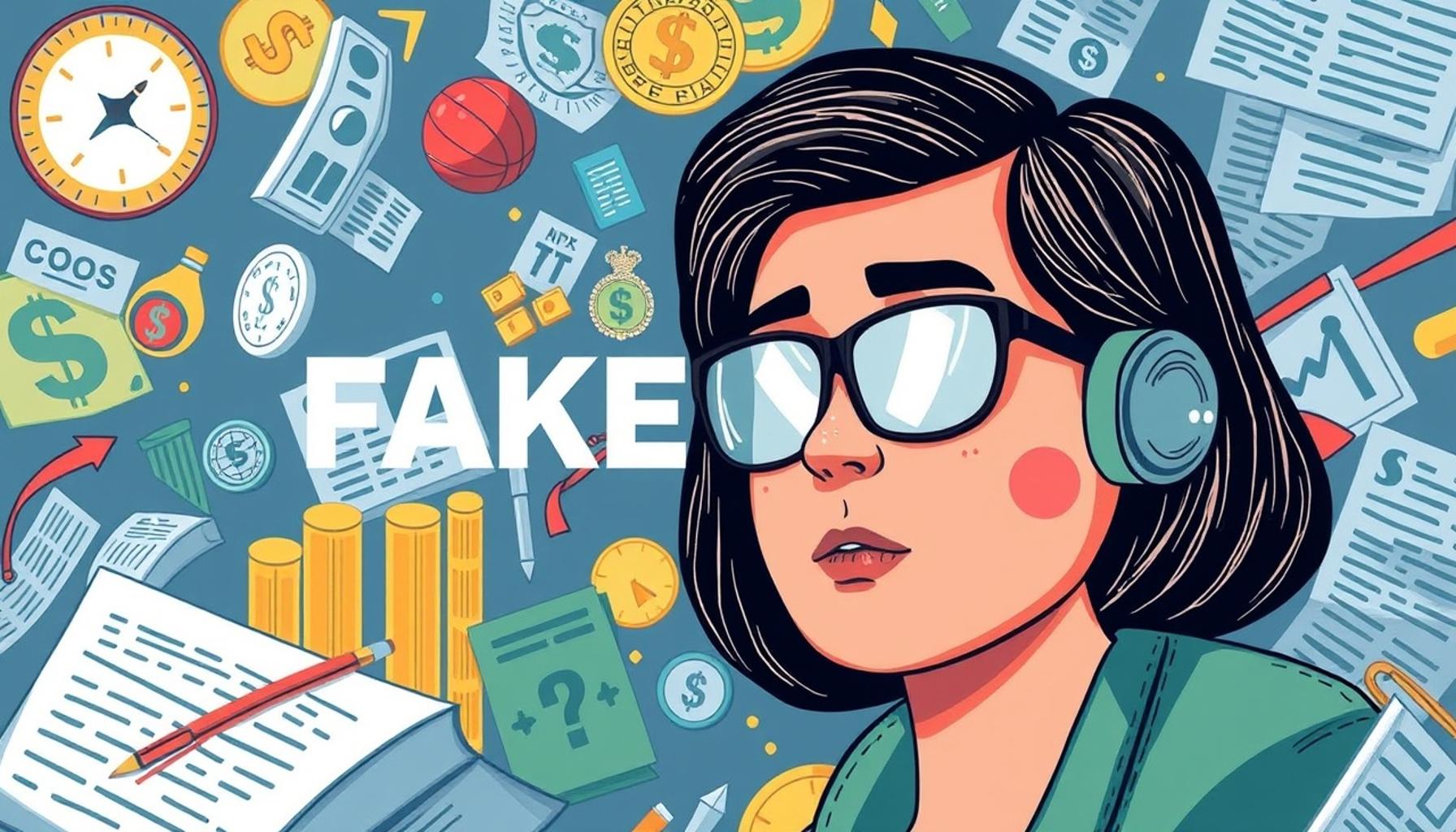
Misinformation on Social Media: Challenges and Solutions for American Society

Understanding Misinformation’s Impact
The digital landscape of today allows for the swift dissemination of information, making it easier than ever to spread both facts and falsehoods. The statistics paint a worrying picture, with 84% of Americans encountering misinformation daily on social media channels. This vast reach means that the content shared may often lack critical verification, leading to potentially harmful consequences.
A particularly telling example of misinformation is the false narrative surrounding vaccines, which has seen a noticeable increase during health crises like the COVID-19 pandemic. Many social media posts have circulated wildly, suggesting that vaccines can cause severe health issues or are part of larger conspiracies. This type of misleading content has significant implications for public health; it has led to decreased vaccination rates and endangered community health by fomenting hesitancy among the public. In a recent survey, it was noted that 70% of users have unknowingly shared misleading information, indicating that many individuals lack the tools to discern fact from fiction.
The repercussions of misinformation extend beyond public health into the very fabric of American democracy. During election cycles, false narratives can alter voter perceptions, mobilizing dissent against candidates based on fabricated claims. For instance, claims about voter fraud or fraudulent elections have circulated widely, affecting public trust in the electoral process. In fact, 45% of respondents in a recent survey expressed concern about the accuracy of news shared online, reflecting a deep-seated anxiety about civic engagement amid the chaos of misinformation.
The Importance of Media Literacy
To effectively tackle misinformation, it is crucial to foster a culture of media literacy and critical thinking. Individuals must learn to assess sources, seek fact-checking, and approach sensational information cautiously. For example, reputable organizations such as Snopes and FactCheck.org provide resources to verify claims made online. Schools and community programs can play a vital role in educating citizens on identifying misinformation and understanding its consequences.
Moreover, technology companies have a responsibility to implement robust systems to flag or mitigate misleading content actively. Policy changes can also enhance regulation of social media platforms to curb the spread of false information while protecting free speech.
In conclusion, addressing misinformation is an urgent matter that requires a collaborative effort from individuals, technology platforms, and policymakers. By emphasizing education and awareness, American society can work towards building a more informed public and fostering trust among its members, ultimately leading to a healthier democratic process.
DIVE DEEPER: Click here to uncover more insights
The Scope of Misinformation on Social Media
As social media continues to integrate itself into the daily lives of millions of Americans, the challenge of misinformation looms large. Platforms like Facebook, Twitter, and Instagram have millions of users who consume and share information at an unprecedented rate. The issue arises when users are exposed to content that is misleading or outright false, often cloaked in the guise of credible information. This can lead to widespread misconceptions that can have tangible effects on public behavior and opinion.
The complexity of misinformation is multifaceted. One major challenge is that misleading information often travels faster than its correction. Studies have demonstrated that false news stories are 70% more likely to be retweeted than true ones, creating a snowball effect where inaccuracies gain traction quickly. The prevalence of sensationalist headlines adds to the problem, as individuals may share articles without even reading them, drawn in by eye-catching phrases or images. This behavior is not just limited to occasional users; research indicates that 55% of individuals have witnessed friends or family share misinformation, further complicating the issue.
Another dimension of this challenge is the emotional impact of misinformation. Content that evokes strong emotions—fear, anger, or happiness—tends to be shared more frequently. For instance, claims about emergencies, such as natural disasters or public health crises, can often lead to panic buying or irrational behaviors based on half-truths rather than facts. Users are often more inclined to share somber or shocking news, which can contribute to the spread of inaccuracies that might exacerbate already tense situations.
Identifying Common Sources of Misinformation
Understanding where misinformation originates can be a necessary step toward combating it. Here are some common sources of misinformation that American users should be aware of:
- Satirical Websites: Content from sites like The Onion or Clickhole may be entertaining but can be mistaken for real news, especially when headlines are shared without context.
- Official-looking Graphics: Individuals can create and share graphics that appear credible but are often filled with misleading statistics or fabricated quotes.
- Social Media Bots: Automated accounts can spread false information rapidly, manipulating user engagements and potentially altering public perception.
- Fox News and Other Partisan Outlets: While news outlets serve an important purpose in society, certain partisan sources may prioritize sensationalism or specific narratives that can distort the truth.
Recognizing these sources is essential for users who want to navigate social media responsibly. By being critically aware of where information is coming from, individuals can begin the process of filtering out the noise and focusing on the facts.
LEARN MORE: Click here to discover the importance of financial education
The Role of Social Media Platforms in Combating Misinformation
In addressing the overwhelming tide of misinformation affecting American society, the role of social media platforms cannot be overstated. These companies face increasing pressure to implement robust strategies and technologies aimed at curbing the spread of false information. Notably, many platforms have begun taking various steps to identify and mitigate misinformation, although the effectiveness of these measures remains a topic of ongoing debate.
One of the most widely used strategies is fact-checking. Social media companies often collaborate with third-party organizations to verify the accuracy of the information circulating on their platforms. When a piece of content is flagged as dubious, users are informed that the information has been disputed and provided with links to credible sources. For instance, during the COVID-19 pandemic, major platforms prioritized sharing official health resources, displaying warning labels beneath posts that contained misleading pandemic-related information. However, while this approach is commendable, it often relies on users recognizing and engaging with these alerts. Not everyone may take the time to read warnings, leading to continued sharing of misinformation.
Another challenge is the persisting issue of echo chambers and confirmation bias. Social media algorithms prioritize content that resonates with users’ existing beliefs, creating environments where misinformation can flourish unchecked. When users only engage with like-minded individuals, the chances of encountering diverse perspectives diminish significantly. This can result in misinformation becoming a self-sustaining cycle, reinforcing existing false beliefs. For instance, a user who frequently interacts with anti-vaccine groups may find their feed populated with similar views, leading to an enriched context for misinformation and increased sharing among that community.
Community Initiatives and User Responsibility
To combat misinformation effectively, community initiatives and user responsibility play a vital role. Media literacy education is crucial in empowering users to critically assess the information they encounter. Schools and community organizations can implement programs designed to teach individuals how to discern credible sources, evaluate evidence, and understand the mechanics of misinformation. For example, workshops encouraging students to analyze headlines, cross-reference information, and seek out primary sources can have a lasting impact on their skill set and critical thinking abilities.
Moreover, users must take proactive measures when engaging with social media. Simple steps like verifying the source of articles, checking publication dates, and reading beyond headlines can significantly reduce the likelihood of unknowingly sharing misinformation. Some social media platforms are also encouraging users to report suspicious content. When users actively participate in flagging misinformation, they contribute to a shared responsibility that helps to enhance the overall quality of information available online.
Finally, continuing discussions about transparency from social media companies regarding their algorithms and content moderation policies can lead to more informed users. When individuals are aware of how their feeds are shaped, they can formulate strategies to seek out balanced information rather than being stuck within echo chambers. In light of the struggles society faces in navigating the complexities of misinformation, empowering both users and platforms remains pivotal to fostering a healthier information environment.
DISCOVER MORE: Click here to learn about effective financial strategies
Conclusion
In conclusion, the challenge of misinformation on social media presents a complex dilemma for American society that requires a multifaceted approach. The responsibility does not just rest on the shoulders of social media platforms; it is a collective effort involving users, educators, and community organizations. By enhancing media literacy education, we equip individuals with essential skills to critically evaluate the information they encounter online. This foundational knowledge enables users to discern fact from fiction and to question the validity of sources they engage with.
Furthermore, as social media platforms continue to evolve, it is imperative that they increase their investment in transparent algorithms and effective content moderation practices. These measures can mitigate the echo chambers that perpetuate misinformation. Additionally, empowering users to take proactive steps, such as reporting dubious content and actively seeking diverse perspectives, fosters a culture of responsibility and accountability.
Ultimately, combating misinformation is not merely about limiting falsehoods; it is about nurturing informed citizens who can navigate the complexities of today’s information landscape. A society equipped with critical thinkers is better prepared to engage in meaningful discussions and to uphold democratic values. As we move forward, continuous dialogue and collaborative efforts among all stakeholders—social media companies, users, educators, and policymakers—will be vital in creating an environment that values truth and transparency. Together, we can build a more resilient society that stands firm against the tide of misinformation.

Linda Carter
Linda Carter is a writer and expert known for producing clear, engaging, and easy-to-understand content. With solid experience guiding people in achieving their goals, she shares valuable insights and practical guidance. Her mission is to support readers in making informed choices and achieving significant progress.