Disinformation and Social Media: How to Combat Fake News in the Digital Age
The Challenge of Disinformation
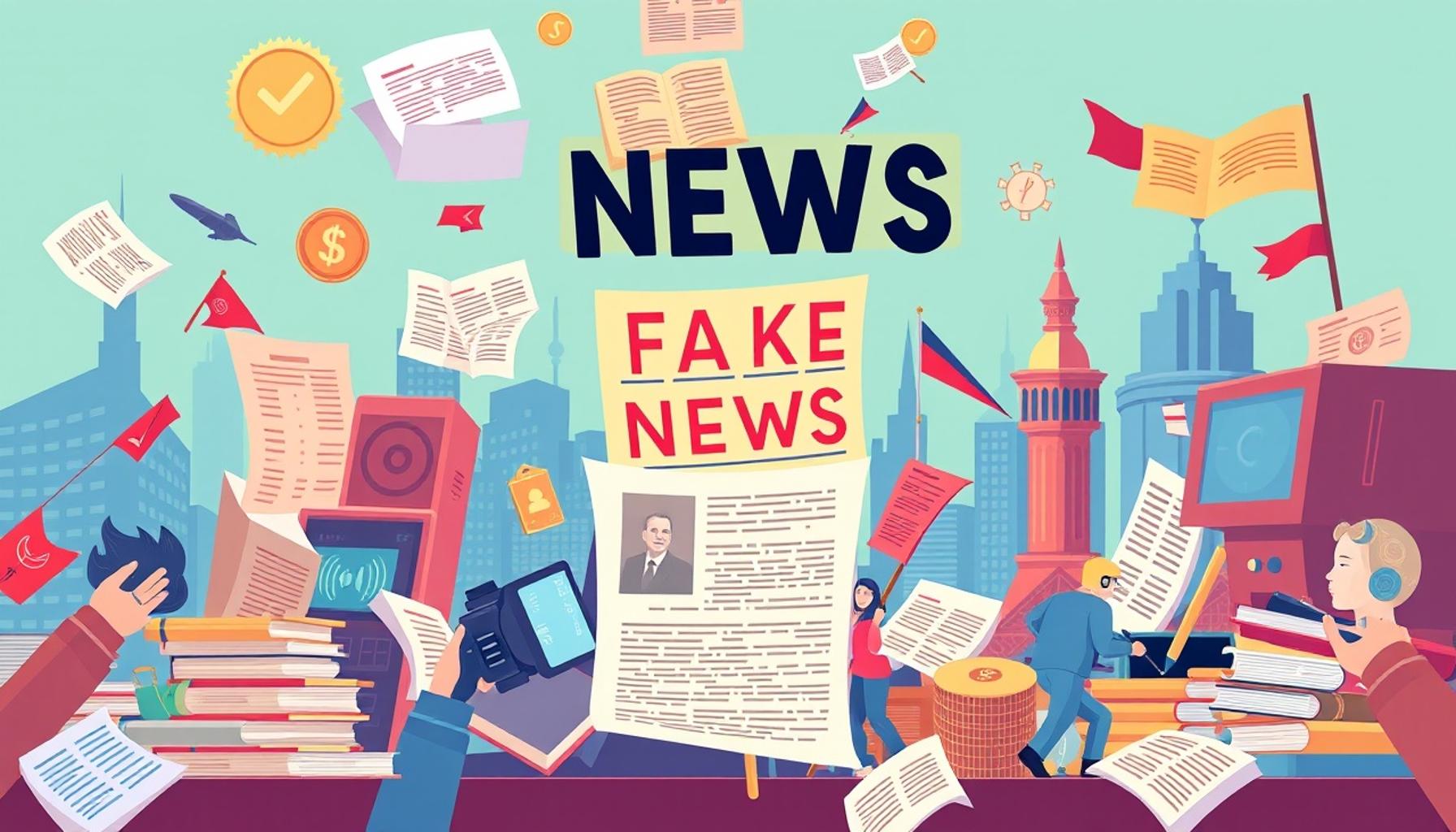
In a world where information is just a click away, the spread of disinformation has escalated into a significant issue that affects individuals, communities, and societies globally. Social media platforms, created to facilitate connection and information exchange, have inadvertently become breeding grounds for false narratives and misleading content. An alarming example is the viral spread of misleading statistics during public health crises, which can lead to confusion and potentially dangerous decisions among the public.
Several factors play a crucial role in the rapid propagation of disinformation:
- Viral Sharing: The mechanisms of social media allow for rapid dissemination of information. Posts that trigger emotional responses, regardless of their truthfulness, tend to garner more likes and shares. For instance, during elections, a fabricated story about a candidate can go viral within hours, overshadowing factual reporting.
- Algorithm Biases: Social media algorithms are designed to prioritize content that engages users, often favoring sensational or emotionally charged posts. This means that false information is more likely to appear on users’ feeds than balanced news coverage, which can create a skewed perception of reality.
- Anonymity: The anonymity that many users enjoy on social media allows them to spread misinformation without fear of repercussions. This can include everything from random users posting false information to organized efforts by groups with an agenda, making it difficult to track the origins of inaccurate content.
Strategies to Combat Disinformation
To confront the pervasive issue of disinformation, it is imperative to arm ourselves with effective tools and strategies. Here are some key methods:
- Verify Sources: Always evaluate the credibility of the source providing the information. Reliable news outlets typically have established reputations and adhere to ethical journalism standards. Check the “About Us” section on websites to better understand their mission and who runs them.
- Fact-Checking Resources: Leverage platforms such as Snopes, FactCheck.org, or PolitiFact. These sites are dedicated to verifying claims and debunking myths systematically. For example, if you come across an alarming news story, searching for it on these sites can quickly inform you whether it’s based on fact or fiction.
- Critical Thinking: Approach information with a questioning mindset. Ask yourself key questions, such as: Who created this content? What evidence is provided? Are there credible sources backing up these claims? This level of scrutiny can help filter out misleading information.
By being proactive and educated about the nature of disinformation, we equip ourselves to better navigate the digital landscape. Understanding these dynamics not only empowers individuals but also contributes to the health of the larger information ecosystem. In a time when trust in news sources is crucial, taking the initiative to seek out accurate information can make a significant difference. Join us as we continue to explore essential strategies for combating fake news in today’s interconnected world.
DIVE DEEPER: Click here to discover budgeting strategies
Understanding the Roots of Disinformation
In today’s interconnected world, disinformation has found fertile ground to thrive. It can emerge from a myriad of sources, each with distinct motives—ranging from individuals with personal vendettas, to organizations that traffic in sensationalist content, and even state actors aiming to manipulate public perception. For instance, during election seasons, political operatives may disseminate misleading information to sway voters, all while others seek to cash in on clicks and ad revenue through sensational headlines. Understanding the motivations behind disinformation is essential to confronting and mitigating its spread effectively.
It’s crucial to address a common misconception: that those who propagate disinformation are often aware of their deception. In reality, many individuals who share misleading or false information do so unwittingly. They may lack the skills to evaluate sources critically, or they might encounter persuasive narratives that align with their pre-existing beliefs. This underscores the pressing need for comprehensive digital literacy education. When users are equipped with tools and strategies to verify information—such as checking multiple reliable sources or seeking out fact-checking organizations—they are empowered to make informed choices before sharing content on social media. For example, encouraging individuals to use resources like Snopes or FactCheck.org can help them discern the validity of the information they encounter online.
Impact on Society
The ramifications of disinformation are profound and multifaceted, affecting not just individual understanding but also the broader societal fabric. Here are several critical ways in which disinformation can disrupt social order:
- Undermining Trust: Misleading information can deeply erode public trust in legitimate institutions, including governments, scientific communities, and credible media outlets. For instance, when false narratives surrounding government policies proliferate, they can lead to increased skepticism and disengagement from necessary democratic processes, such as voting or public discourse. This lack of trust can create a vicious cycle where individuals turn to less credible sources that reinforce their biases.
- Polarization: Disinformation often exacerbates existing societal tensions, contributing to greater polarization. For example, during the Black Lives Matter protests, misleading claims about rioting and violence were spread, which fueled divisive sentiments between community groups. Such polarization inhibits constructive dialogue and can lead to tangible conflicts, further fracturing the community’s cohesion.
- Public Health Risks: In times of health crises, disinformation can have dangerous repercussions. The COVID-19 pandemic serves as a pertinent example; misinformation about vaccine efficacy and safety led to widespread hesitancy and refusal, stunting public health efforts. Misunderstandings about the virus transmission were also rampant, perpetuating unsafe practices that endangered both individual and community health.
Given the serious repercussions that disinformation can cause, it’s evident that addressing this challenge is a collective responsibility rather than an individual one. By cultivating an environment that prioritizes accurate information and critical thinking, we can help safeguard the integrity of our social fabric. We must advocate for transparency in media, promote responsible sharing practices, and emphasize the importance of questioning the information that reaches us.
As we explore strategies for combating disinformation, we must consider the roles technology, education, and personal accountability play in creating a healthier information ecosystem. Collaborating to foster these values will not only empower individuals to navigate the complex landscape of information but also protect communities from the insidious dangers posed by false narratives.
DISCOVER MORE: Click here for details on applying
Strategies to Combat Disinformation
As the scourge of disinformation permeates our digital landscape, adopting effective strategies to combat it has never been more critical. Here are several actionable approaches that individuals, educators, and technology platforms can employ to foster a culture of accurate information and responsible sharing:
Enhancing Digital Literacy
The foundation of combating disinformation lies in enhancing digital literacy across all age groups. Educational institutions play a pivotal role in teaching students how to discern fact from fiction. Incorporating modules on media literacy into school curriculums can provide students with the skills necessary to evaluate sources critically. For instance, schools could simulate a news environment where students analyze headlines, fact-check statements, and engage in discussions around the reliability of sources. This proactive approach equips young people with the tools they need to navigate the information highways they will encounter daily.
Empowering Fact-Checking Initiatives
Another significant avenue is supporting fact-checking initiatives. Nonprofits and news organizations that focus on verifying claims can provide valuable resources to the public. Individuals can help by sharing the work of these fact-checkers while actively utilizing their findings to confirm or refute information before dissemination. During the contentious 2020 U.S. Presidential Election, several fact-checking websites, such as PolitiFact, played a vital role in debunking false claims, ultimately helping audiences make better-informed choices at the polls. By promoting these resources, we can collectively create a culture of verification.
Leveraging Social Media Tools
Technology companies must take responsibility for the part they play in spreading disinformation. Social media platforms can implement algorithmic changes that prioritize credible information over sensationalist content. This involves expanding their content moderation practices, using AI to flag potentially misleading posts, and providing users with context on the sources of shared information. Platforms like Facebook and Twitter have begun initiatives to label or reduce the reach of posts containing false claims, yet ongoing developments are necessary to strengthen these measures. Encouraging users to report misleading content when they encounter it can create a collective effort to diminish disinformation visibility.
Promoting Responsible Sharing
Individual accountability is also crucial in the fight against fake news. Encouraging people to practice responsible sharing involves reminding them to slow down and think critically before hitting the “share” button. Simple strategies, such as applying the “three-check rule”—where users check the source, date, and author of a post before sharing—can significantly reduce the spread of false information. By reminding friends and family to verify what they share, we foster a community of informed sharers rather than unwitting spreaders of disinformation.
Engaging Community Initiatives
Lastly, grassroots efforts can play a significant role in combating disinformation. Community organizations could host workshops or public discussions to address the impact of disinformation and equip citizens with practical skills. Engaging local libraries or community centers to provide resources or events that focus on demystifying media and fostering critical thinking is an excellent way to build awareness and resilience against false narratives. Such initiatives can foster collaboration among diverse groups, creating an empowered and aware citizenry.
By implementing these strategies and fostering a culture of critical engagement, we can significantly mitigate the tide of disinformation and empower individuals to contribute to a more informed society. The collective responsibility lies in our hands—both to check the information we share and to inspire others to do the same.
DISCOVER MORE: Click here for insights on investing in ETFs
Conclusion
In an age where information travels faster than ever, the challenge of disinformation on social media cannot be underestimated. As we have explored, combating fake news requires a multifaceted approach involving individuals, educators, technology companies, and community initiatives. By prioritizing digital literacy, we empower citizens to discern fact from fiction, equipping them with the tools necessary to critically analyze the information they encounter.
Supporting fact-checking initiatives not only builds a culture of verification but also instills public trust in credible sources. Furthermore, it is essential that social media platforms actively adjust their algorithms to promote reliable information and implement more robust content moderation policies. All users must embrace their roles as responsible sharers, practicing vigilance by verifying content before sharing it with others. Simple practices, such as the “three-check rule,” can significantly affect the spread of disinformation.
Lastly, community engagement plays a pivotal role in enhancing awareness and skills necessary to combat misinformation effectively. Through grassroots initiatives, we can foster collaboration and unity to create societies better equipped to address these challenges. The fight against fake news is not just a collective duty but a foundational element of preserving the integrity of our shared spaces. By committing to these strategies and maintaining an ongoing dialogue about disinformation, we can cultivate a more informed, resilient populace in the digital age.

Linda Carter
Linda Carter is a writer and expert known for producing clear, engaging, and easy-to-understand content. With solid experience guiding people in achieving their goals, she shares valuable insights and practical guidance. Her mission is to support readers in making informed choices and achieving significant progress.