The Impact of Social Media on American Politics: Fake News and Electoral Mobilization
The Impact of Social Media on American Politics
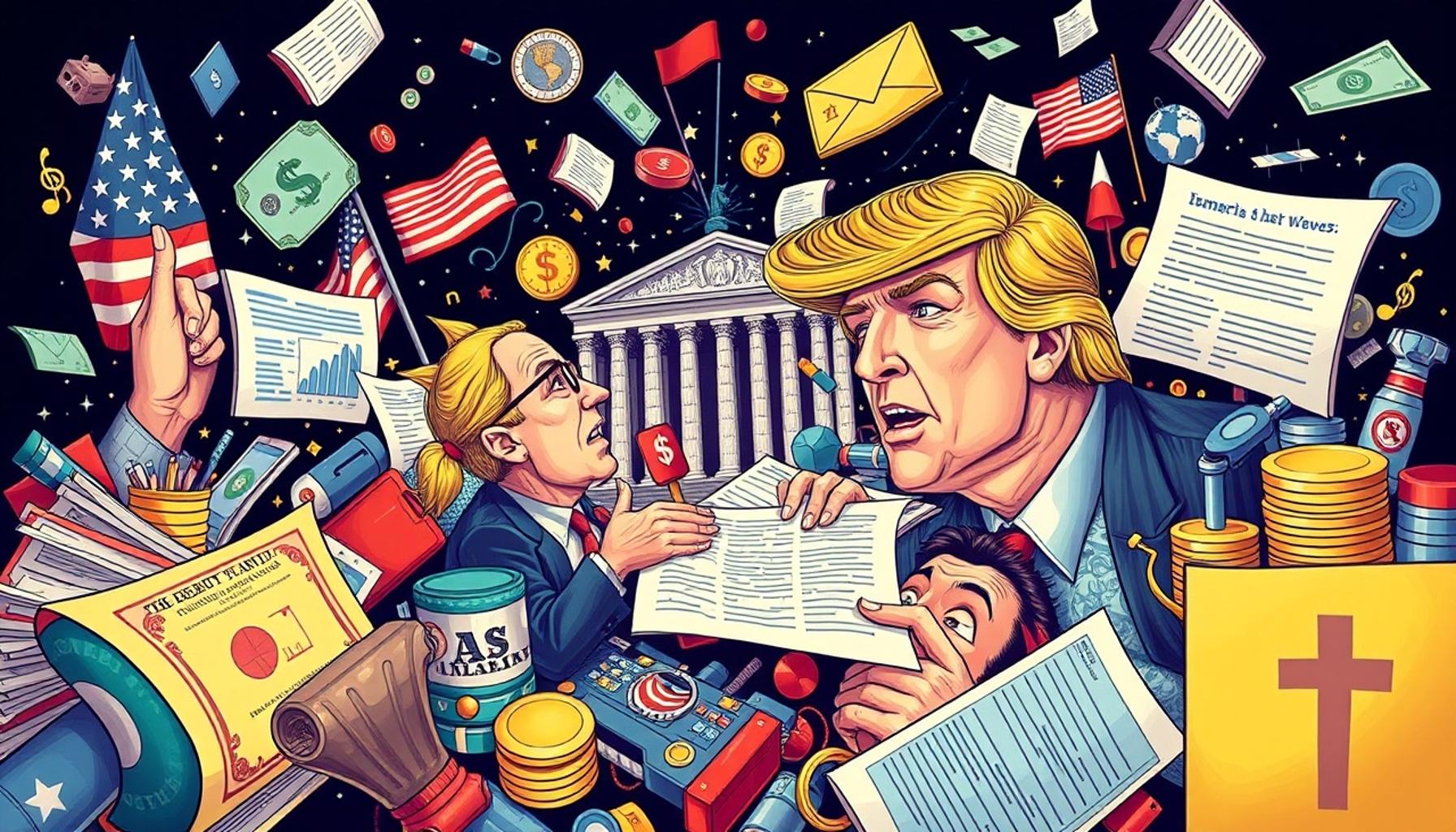
In recent years, social media has dramatically reshaped the landscape of American politics, influencing how information is shared and consumed. Originally designed for personal communication and networking, platforms such as Twitter, Facebook, and Instagram have evolved into critical arenas for political discourse. While these platforms can foster open dialogue, they have also brought about significant challenges and concerns regarding their influence on democratic processes.
Fake News
One of the most pressing challenges posed by social media is the proliferation of fake news and misinformation. False narratives can easily go viral, often spreading faster than factual information. For instance, during the 2016 presidential election, numerous misleading articles were shared widely on social media, leading many people to form opinions based on distorted facts. A real-world example includes the dissemination of false information about voting methods, which sparked confusion and mistrust among voters. This erosion of trust can discourage civic participation and undermine the integrity of democratic institutions.
Electoral Mobilization
On a more positive note, social media also serves as a powerful tool for electoral mobilization. Campaigns can leverage these platforms to engage and motivate voters, particularly younger generations who are less likely to participate in traditional political events. For instance, the recent presidential campaigns have showcased how candidates effectively used Instagram stories and TikTok videos to connect with younger voters. These creative approaches can transform political engagement, making it more relatable and accessible, thus enhancing voter turnout among demographics that are often overlooked.
Polarization
Unfortunately, the very nature of social media also contributes to increasing polarization within the political landscape. Algorithms designed to maximize user engagement often create filter bubbles, in which individuals are only exposed to viewpoints that align with their existing beliefs. This phenomenon can reinforce divisive ideologies and further entrench political divides. For example, individuals may follow pages or groups that align with their political preferences, leading to a skewed perception of reality that diminishes the likelihood of encountering differing perspectives.
To further illustrate, consider how online echo chambers can create an environment where sharing fake news is normalized. When individuals engage with content that supports their beliefs without challenge, this can heavily influence their voting decisions, sometimes even leading them to ignore factual reporting from established media outlets.
In summary, the dynamics of social media are complex and multifaceted, significantly shaping the modern political climate in the United States. As misinformation spreads, voter mobilization flourishes, and polarization deepens, understanding these trends becomes essential for citizens navigating American democracy. The ongoing evolution of social media will continue to impact the political landscape, making it crucial for individuals to critically evaluate the information they consume and actively seek diverse perspectives.
DIVE DEEPER: Click here to learn how to apply for the Banana Republic Rewards Mastercard</p
Understanding the Role of Fake News and Electoral Mobilization
Social media platforms have become battlegrounds for information, where the lines between fact and fiction often blur. The rise of fake news on these platforms has led to a significant impact on public perception and voting behavior. As people turn to social media for news, misinformation can easily infiltrate their feeds, often unchecked. This proliferation of misleading content has real consequences for American democracy as people may make electoral decisions based on falsehoods rather than informed discussion.
During critical moments in political campaigns, such as the primaries and general elections, the spread of fake news can distort the electoral process. For instance, an erroneous claim about a candidate’s stance on a key issue could lead to an altered perception that shapes voter opinions significantly. To combat this issue, it is essential for users to develop strong digital literacy skills, enabling them to discern credible sources from unreliable ones. Here are some tips to recognize fake news:
- Check the source: Investigate the publication and its reputation for accuracy. Established news organizations are generally more reliable.
- Look for bias: Consider whether the article has a political agenda or presents information in a slanted manner.
- Verify information: Cross-reference facts with multiple trustworthy sources to confirm their validity.
- Examine the evidence: Strong reporting should include data, quotes from experts, or clear citations backing up claims.
- Be skeptical of sensational headlines: Clickbait headlines are often designed to provoke strong emotional reactions rather than convey facts.
While fake news presents challenges, it’s important to note the equally significant role of social media in political electoral mobilization. Campaigns are increasingly utilizing platforms like Facebook and Twitter to rally support and encourage participation among voters. These platforms allow for direct communication between candidates and their constituents, effectively bridging the gap between traditional media and the electorate. For example, grassroots movements have emerged through social media, empowering individuals to organize rallies, create petitions, or share informative content about candidates and their policies.
Moreover, the ability of social media to facilitate community-building through group features enables like-minded individuals to connect over shared interests and beliefs. This can lead to higher levels of engagement and involvement among voters who may have felt isolated or uninformed. The impact is particularly pronounced among younger demographics, who tend to rely on social media for news and updates. When candidates harness these platforms effectively, they can mobilize voters, turning social media interactions into real-world electoral participation.
In this context, understanding how to navigate social media is crucial not only for individual users but for the health of American democracy as a whole. By equipping themselves with the tools to identify misinformation and actively participate in civic discussions, citizens can play an essential role in preserving the integrity of democratic processes. As we explore further the complex interplay between social media, fake news, and electoral mobilization, it becomes clear that maximizing benefits while mitigating risks is key to bolstering democratic engagement in an increasingly digital world.
DISCOVER MORE: Click here to learn about government policies
The Double-Edged Sword of Social Media: Empowerment and Misinformation
As social media continues to shape American politics, it serves as a double-edged sword. While it empowers citizens by providing platforms for discussion, it also presents challenges that can hinder informed decision-making. The vast reach of social media allows users to share opinions and information widely; unfortunately, this environment is also conducive to the propagation of fake news. It is vital, then, to consider how misinformation not only impacts individual beliefs but also influences broader political trends.
Research has shown that misinformation can create echo chambers, where individuals only engage with content that reinforces their existing beliefs. For instance, a study by the MIT Media Lab revealed that false news stories are 70% more likely to be retweeted than true stories. This phenomenon is particularly evident in polarized political environments, where users may gravitate toward sensationalized content that aligns with their preconceptions. Such echo chambers ultimately deepen societal divides and complicate the process of reaching a consensus on crucial issues facing the nation.
Moreover, the timing of information dissemination plays a pivotal role in its impact. During high-stakes electoral moments, such as the lead-up to elections, the surge of misinformation can skew public understanding about candidates or policies. In the 2016 presidential election, for example, false narratives about voter fraud and candidate misconduct not only proliferated on social media but also penetrated mainstream conversations, ultimately shaping public perception significantly. This exemplifies the desperate need for vigilance against fake news strategies deployed by groups trying to manipulate electoral outcomes.
Even well-intentioned grassroots efforts can inadvertently contribute to the spread of misinformation. During election cycles, individuals passionate about their favored candidates may share questionable content without fully verifying its authenticity. The phenomenon of “information cascades”—where a few individuals propagate a piece of news that others then share—can quickly fuel widespread confusion among the electorate. Hence, civic responsibility emerges as a critical part of the equation. Voters must be encouraged to engage in thorough checks before sharing information, making it imperative for educational voices to rise in the face of misinformation.
On the flip side, social media also offers tremendous potential for effective electoral mobilization. The 2020 presidential election highlighted the use of targeted advertising aimed at specific demographics, aiming to not only inform but also to inspire action. Candidates like Bernie Sanders and Joe Biden utilized platforms like Instagram and TikTok to engage younger voters, employing creative content such as memes and live streams to deliver their messages in relatable formats. These tactics can help create a sense of urgency among voters and catalyze participation in the democratic process.
Furthermore, social media fosters tools for organizing and securing voter turnout. Initiatives like “get out the vote” campaigns showcase how platforms can be harnessed for promoting civic engagement, making it easier for individuals to find poll locations or learn about voting procedures. Local organizations have also leveraged social media to create informative networks, helping educate communities on the importance of participation in elections.
Ultimately, as we navigate the evolving landscape of social media’s role in politics, it is essential to remain informed and proactive. Recognizing the simultaneous challenges of fake news and the opportunities for effective mobilization is critical in ensuring that American democracy thrives. Only through education, vigilance, and engagement can citizens harness the full potential of social media to create informed electorates and promote meaningful political discourse.
DISCOVER MORE: Click here for the complete guide
Conclusion
In summary, the impact of social media on American politics is profound and multifaceted, embodying both threats from misinformation and opportunities for electoral engagement. The prevalence of fake news can distort public perception, create division, and undermine trust in democratic processes. With studies indicating that false information spreads more rapidly than the truth, understanding the mechanics behind this phenomenon is crucial for preserving informed citizenry. This challenge emphasizes the need for vigilance among users and a commitment to fact-checking before sharing content.
On the other hand, social media serves as a powerful tool for engaging voters and encouraging participation in democratic processes. Initiatives that aim to mobilize communities and educate them about the electoral process leverage these platforms effectively, showcasing the potential for grassroots movements. The creative use of social media by candidates during elections demonstrates that, when utilized responsibly, these platforms can foster connection, inspire activism, and galvanize voter turnout.
As Americans continue to navigate this landscape, both individuals and organizations must prioritize media literacy and critical thinking skills. By doing so, they empower themselves to discern credible information from harmful misinformation. Ultimately, the future of American democracy hinges on the ability of its citizens to not only understand the complexities introduced by social media but also to utilize them in ways that promote informed dialogue and meaningful political action.

Linda Carter
Linda Carter is a writer and expert known for producing clear, engaging, and easy-to-understand content. With solid experience guiding people in achieving their goals, she shares valuable insights and practical guidance. Her mission is to support readers in making informed choices and achieving significant progress.