
The Role of Artificial Intelligence in Preventing Cyber Attacks
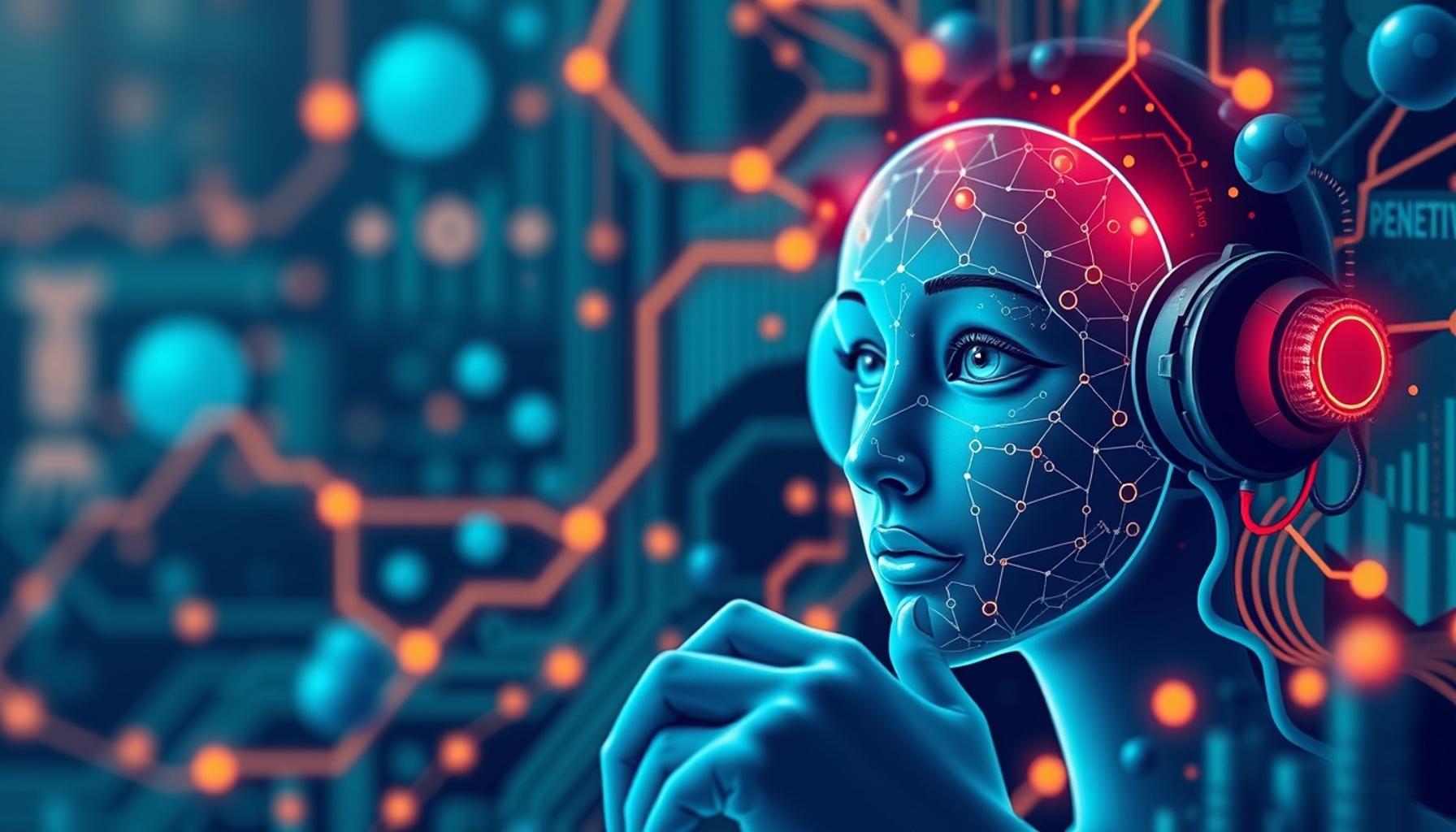
The Role of Artificial Intelligence in Cybersecurity
In an era where our dependence on technology continues to grow, the importance of cybersecurity cannot be overstated. Cyber threats are becoming increasingly sophisticated, with hackers employing advanced strategies and malicious software to infiltrate sensitive systems. As a response to this evolving landscape, organizations are turning to Artificial Intelligence (AI) as a crucial ally in safeguarding their digital assets. AI is not just a trendy buzzword; it offers practical and innovative solutions to effectively counter cyber attacks and protect valuable information.
How AI Enhances Cybersecurity
The allure of AI in the realm of cybersecurity lies in its ability to process and analyze massive volumes of data at unprecedented speeds. This capability enables AI solutions to identify patterns and detect anomalies that might elude human analysts due to the sheer scale and complexity of the data involved. Here are some key capabilities of AI in enhancing cybersecurity measures:
- Real-time threat detection: One of the most significant advantages of AI is its capacity to monitor network activity continuously. For instance, AI systems can analyze user behavior and flag any anomalies, such as an employee accessing sensitive files at unusual hours, allowing for prompt responses to potentially suspicious activity.
- Automated responses: By employing machine learning algorithms, AI can take immediate defensive measures without requiring human intervention. This is particularly vital in situations where every second counts. For example, if a ransomware attack is detected, AI can isolate infected systems to prevent the spread of malware before IT teams even have a chance to react.
- Predictive analytics: AI does not just react to threats; it can also forecast potential vulnerabilities. By analyzing historical data, AI can predict where attackers might strike next, enabling organizations to shore up their defenses proactively. A company could use this capability to focus resources on patching a software vulnerability that has been targeted in the past, thus preventing future breaches.
The Strategic Use of AI in Cybersecurity
The rising tide of cyber attacks necessitates a strategic approach to AI integration within organizations. Using AI not only enhances security measures but also liberates cybersecurity teams to concentrate on more complex threats that require human intuition and creativity. For instance, once routine threats are managed by AI systems, experienced analysts can focus on devising new strategies to combat advanced persistent threats or insider risks.
In conclusion, embracing the capabilities of AI in cybersecurity is no longer optional; it is essential. By taking advantage of AI technologies, organizations can create a fortified online environment that not only defends against current threats but also adapts to the ever-changing landscape of cybercrime. As we move forward, the integration of AI will play a pivotal role in determining how effectively businesses can protect their sensitive information from malicious attacks.
DISCOVER MORE: Click here to learn the pros and cons
Understanding AI’s Core Functions in Cybersecurity
To appreciate the role of Artificial Intelligence (AI) in preventing cyber attacks, it is essential to explore the fundamental functions that enable AI to enhance cybersecurity. By harnessing the power of algorithms and data analysis, AI offers organizations novel methodologies to counteract threats, making it a pivotal part of any cybersecurity strategy.
Key Functions of AI in Preventing Cyber Attacks
AI’s effectiveness in cybersecurity stems from its various core functions. When integrated properly, these functions not only improve defensive measures but also streamline the overall approach to threat detection and response. Here are several critical functions AI performs in the cybersecurity domain:
- Anomaly Detection: AI systems utilize sophisticated algorithms to establish a baseline of normal user and system behavior. By continuously monitoring activities, they can spot unusual actions that could suggest a breach. For instance, if an employee’s account suddenly starts downloading a large volume of data at odd hours, AI can flag this behavior for immediate investigation.
- Behavioral Analysis: AI is capable of understanding user behavior over time, identifying patterns that can highlight potential security threats. For example, if a user accesses a new application or service that typically requires a high level of authorization, AI can prompt an additional verification step to ensure that the request is legitimate.
- Threat Intelligence: Through machine learning, AI can gather and analyze data from various sources, including threat databases and industry reports. This enables organizations to stay updated on the latest cyber threats and develop a more informed response strategy. For instance, if a new malware variant is identified in the wild, AI can quickly disseminate this information across network security systems, enhancing the protective measures already in place.
- Incident Response: AI can significantly reduce response times during a security incident. When an attack is detected, AI tools can not only isolate the affected systems automatically but also initiate predefined protocols to mitigate damage. For example, in the event of a Distributed Denial of Service (DDoS) attack, AI can reroute traffic and limit bandwidth usage to keep essential services operational while teams work to neutralize the threat.
Furthermore, the integration of AI into cybersecurity does more than just improve reaction times; it also fosters innovation in defense strategies. By learning from past incidents and adjusting to new tactics employed by cybercriminals, AI systems contribute to the ongoing evolution of security protocols, ultimately leading to a robust and future-ready cybersecurity posture.
As organizations contend with the increasing volume and complexity of cyber threats, understanding how AI functions within cybersecurity frameworks becomes essential. It empowers businesses not only to defend against existing threats but also to anticipate and prepare for potential future attacks.
DIVE DEEPER: Click here to learn more
AI Enhancements: From Automation to Predictive Analytics
Beyond its core functions, Artificial Intelligence (AI) profoundly enhances the cybersecurity landscape by introducing automation and predictive analytics capabilities. These advancements not only bolster conventional defensive mechanisms but also empower organizations to develop a proactive and anticipatory approach to cybersecurity.
The Impact of Automation in Cybersecurity
One of the most significant contributions of AI in cybersecurity is automation, which streamlines repetitive tasks and reduces the burden on security personnel. For instance, traditional methods of monitoring network traffic can be labor-intensive, often requiring teams of cybersecurity professionals to sift through mountains of data. With AI, organizations can automate these monitoring processes.
Automated Threat Detection systems powered by AI can identify and flag potential security issues much faster than human analysts. Tools designed with AI can analyze thousands of endpoints and network packets in real-time, allowing for quick identification of suspicious activities without human intervention. For example, if an unauthorized device tries to access corporate data, an AI-based system can automatically block this access and notify the IT team for further investigation.
This automation not only enhances efficiency but also allows cybersecurity teams to focus on more strategic tasks rather than getting bogged down by mundane monitoring activities. By reallocating resources, organizations can improve their overall defense architecture while ensuring that skilled professionals are engaged in critical thinking and analysis.
Harnessing Predictive Analytics for Future Threats
AI’s ability to harness the vast amounts of data generated by user activities, application logs, and network traffic leads to groundbreaking developments in predictive analytics. This capability allows organizations to foresee potential attacks before they occur. Using historical data and applying machine learning techniques, AI can identify trends and patterns that indicate emerging threats.
For example, if a specific type of attack has recently become prevalent in an organization’s sector, AI can analyze data from various attack vectors and provide insights into how these attacks are executed. Consequently, organizations can bolster their defenses preemptively, implementing additional security measures or training staff just as the evidence points to an increase in risk.
The power of predictive analytics also extends to adjusting security protocols dynamically. For instance, if AI detects a spike in login attempts from specific geographic locations that are unusual for a given user base, it can adjust security settings in real-time to ensure stricter authentication processes are enforced, thereby reducing the chances of unauthorized access.
Combining Human Intelligence with AI
While AI plays a critical role in cybersecurity, its efficacy increases when combined with human expertise. AI doesn’t replace the necessity for cybersecurity professionals; instead, it equips them with advanced tools and data-driven insights that enhance decision-making. The human element remains essential for interpreting complex data, understanding the context of threats, and strategizing a comprehensive security posture.
For instance, incidents may need human scrutiny to determine if the AI system has reported a genuine threat or a false positive. Skilled analysts can utilize the AI-generated data to inform their response strategies, ensuring that reactive measures are targeted and effective. Creating a symbiotic relationship between AI tools and cybersecurity professionals leads to more intelligent decision-making and a more secure environment overall.
In summary, AI dramatically transforms the cybersecurity landscape not only through automation and predictive analytics but also by augmenting the capabilities of human security experts. By effectively integrating these technologies, organizations can lay a strong foundation for a future-ready cybersecurity infrastructure.
LEARN MORE: Click here to enhance your online security
Conclusion
In conclusion, the integration of Artificial Intelligence (AI) into cybersecurity strategies marks a significant advancement in the fight against cyber threats. The capabilities of AI, particularly in the realms of automation and predictive analytics, empower organizations to not only respond to attacks but also to anticipate and prevent them before they occur. Automated threat detection systems provide a critical edge by swiftly identifying and mitigating risks, allowing cybersecurity professionals to allocate their efforts toward more complex and strategic tasks.
Moreover, the foresight offered by predictive analytics enables businesses to stay one step ahead of cybercriminals, identifying patterns and trends that signal potential threats. This proactive approach fosters a culture of preparedness, where cybersecurity defenses can adapt dynamically to emerging challenges. Most importantly, the collaboration between human intelligence and AI is essential; while AI streamlines operations, experienced professionals are indispensable for contextualizing data and making informed decisions regarding security protocols.
As cyber threats continue to evolve, so too must our defenses. Embracing AI not only strengthens the immediate security posture of organizations but also cultivates a resilient and adaptable cybersecurity framework for the future. By investing in these technologies and fostering collaboration between AI systems and human expertise, organizations are better equipped to safeguard their critical assets in an increasingly complex digital landscape.

Linda Carter
Linda Carter is a writer and expert known for producing clear, engaging, and easy-to-understand content. With solid experience guiding people in achieving their goals, she shares valuable insights and practical guidance. Her mission is to support readers in making informed choices and achieving significant progress.